सोमबार ३० कात्तिक, २०८३,
Mon, 16 Nov, 2026
सोमबार ३० कात्तिक, २०८३,
Mon, 16 Nov, 2026

.JPG)



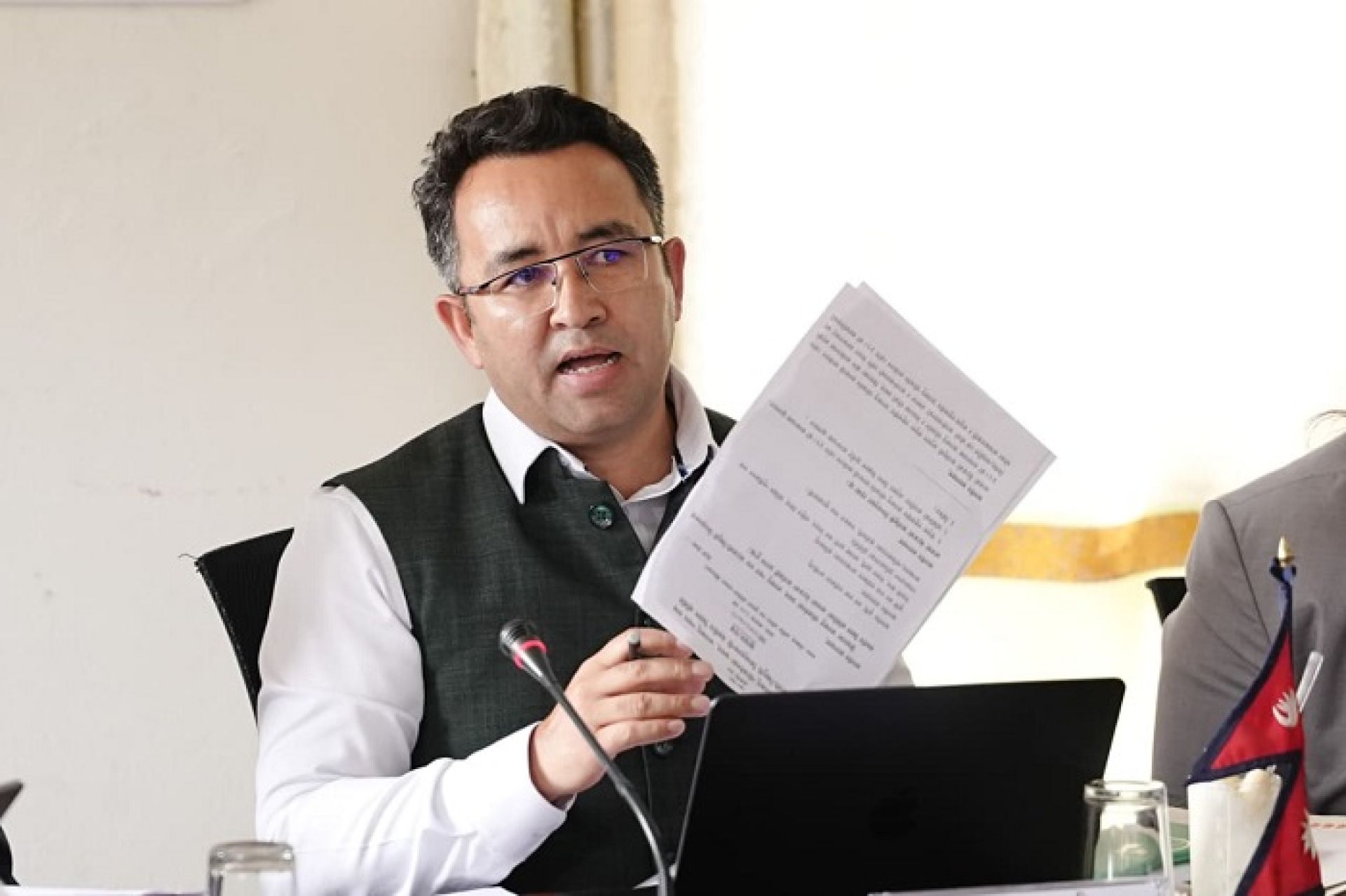
Lalitpur : The Nepal Institute for International Cooperation and Engagement (NIICE) in collaboration with the Centre for Peace Studies (CPS) hosted a discussion on “Changing Contours of Nepal-India Relations” on 16 November 2026” at its seminar hall in Hattiban, Lalitpur.
The dialogue brought together distinguished experts and practitioners to examine the evolving dynamics of Nepal-India relations and to discuss the changing regional and strategic landscape .
The programme featured distinguished speakers and experts, including Dr. Ashok K. Behuria, Chairman of CPS; Dr. Nihar Nayak, Life Member of CPS and University of Delhi; Sixit Bhatta, Tech Entrepreneur; and Bibek Dhoj Thapa, Programme Coordinator and Research Associate at NIICE.
Dr. Ashok K. Behuria, Chairman of CPS emphasised the need to move beyond a state-centric and security-oriented approach to bilateral relations, arguing that people should be recognised as key stakeholders.
Reflecting on the historical evolution of India's foreign policy, he discussed the influence of colonial legacies and the gradual shift towards a more accommodative neighbourhood policy, particularly through the Gujral Doctrine's emphasis on non-reciprocity.
He also highlighted India's evolving approach under Prime Minister Narendra Modi, noting the growing recognition that regional stability and development depend on mutually beneficial relations with neighbouring countries.
Similarly, Dr. Nihar Nayak, Life Member of CPS and University of Delhi, noted the significance of the anticipated visit of Nepal's Prime Minister to India in strengthening bilateral engagement.
He highlighted opportunities for cooperation in development, infrastructure, digital connectivity and disaster management, while identifying longstanding challenges such as border disputes, Gorkha recruitment, the Pancheshwar project, air connectivity and non-tariff barriers.
He emphasised that the visit could provide India and Nepal a win-win with an important opportunity to communicate its development priorities and strengthen mutual trust and cooperation.
Sixit Bhatta, Tech Entrepreneur, emphasised the growing importance of technology in shaping international relations, sovereignty and security. He observed that both Nepal and India remain vulnerable due to their limited control over critical technological infrastructure, including semiconductor supply chains and artificial intelligence.
Emphasising the need for greater technological collaboration, he suggested that the two countries move beyond a recipient-based relationship and become co-developers, particularly in areas such as artificial intelligence, cybersecurity and digital infrastructure as these are the new area where diplomatic and security concerns lies.
Bibek Dhoj Thapa, Programme Coordinator and Research Associate of NIICE highlighted that 50-60% of the total population of both India and Nepal is youth, the relations between the two cannot move ahead by sidelining the youths and its important to hear what the youths have to say.
He emphasised that the youths of Nepal do not share the trauma of the ‘cold-war’ that their predecessors had. They instead want to see their country develop without being entangled in any sort of geopolitical rivalries.
The program concluded with the signing of a Memorandum of Understanding between NIICE and CPS to develop exchanges and cooperation between the two organisations.


सञ्चार रजिष्ट्रारको कार्यालय दर्ता प्रमाणपत्र नंः
००१७६/०७९-०८०